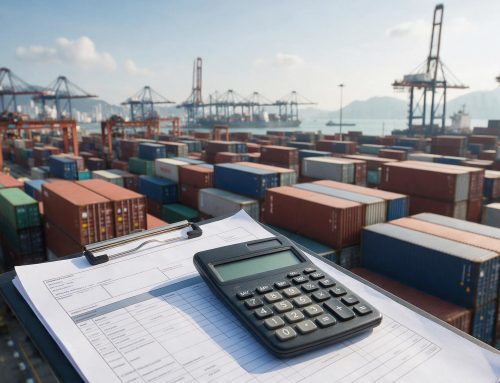
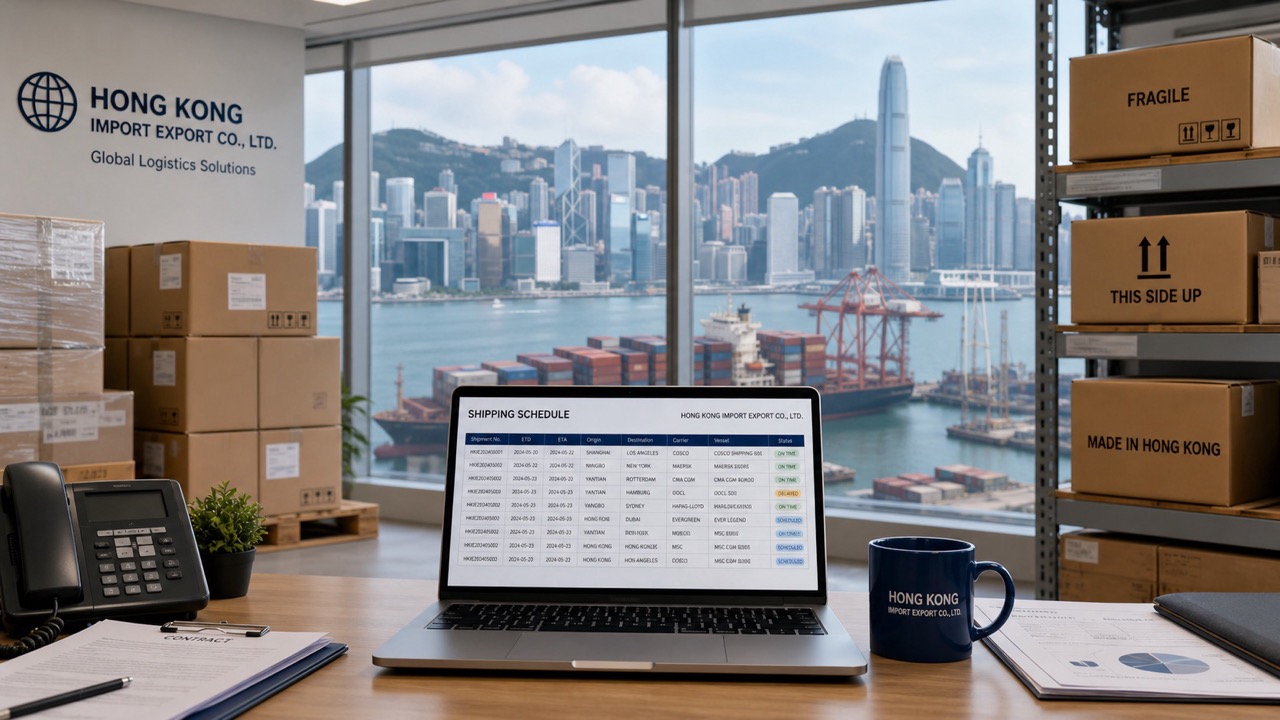
Hong Kong’s merchandise trade hit a historic high in 2025, with total exports rising 15.4% year-on-year to $5,240.3 billion and imports climbing a similar 15.5%—a scale of activity that means trading companies across Kwun Tong, Tsuen Wan, and Cyberport are handling more shipments, more currencies, and more paperwork than ever before. For import export SMEs, that growth is good news commercially, but it also means more transactions to reconcile when audit season arrives. Getting your documents organised months ahead of year-end is what separates a smooth statutory audit from a stressful scramble against the clock.
Why Early Preparation Matters for Trading Companies
Hong Kong ranked as the world’s fifth-largest merchandise exporter in 2025, and with total trade volumes now exceeding HK$9,465 billion annually, even a modest trading company can generate thousands of line items across sales, purchases, and logistics in a single financial year. Every one of those transactions needs a paper trail that connects a shipment to an invoice, a bank entry, and ultimately your financial statements.
The Inland Revenue Ordinance requires every business carrying on trade in Hong Kong to keep sufficient records—including invoices, vouchers, and bank statements—for a minimum of seven years, and businesses dealing in goods must additionally record details of buyers, sellers, and year-end stock quantities and values. Separately, the Import and Export Ordinance requires declarations and related trade records to be retained for seven years as well, meaning your audit file and your customs file need to work together, not in isolation. Missing or disorganised records at this stage don’t just slow down your auditor—they can trigger closer scrutiny from the IRD during profits tax assessment.
Audit Preparation Checklist for Hong Kong Traders
Before engaging your audit firm, it pays to build a checklist and assign clear ownership for each document category, particularly if your finance and operations teams sit across different offices or districts.
Import export companies should prepare the following core categories well ahead of their year-end:
- Corporate records: Certificate of Incorporation, Business Registration Certificate, Articles of Association, annual returns, and registers of directors and shareholders
- Financial statements: draft balance sheet, profit and loss statement, cash flow, trial balance, and general ledger
- Banking records: full-year statements across all currencies (including multi-currency accounts and platforms like PayPal or Stripe), plus completed bank reconciliations
- Trade documents: import and export declarations, shipping documents, sales and purchase contracts, invoices, and delivery notes
- Payroll and MPF records: payroll summaries, employment contracts, MPF contribution records, and IR56 forms
- Tax records: Profits Tax Return, tax computations, and supporting schedules
Compiling these into a single, indexed digital folder with clear naming conventions lets your auditor sample-test efficiently, which typically shortens turnaround time and keeps audit fees predictable. Our bookkeeping and accounting MIS services are built specifically to keep these records audit-ready throughout the year, not just at deadline time.

IRD and Customs Compliance for Import Export Records
Trading companies face a dual compliance obligation that most other businesses don’t: satisfying IRD’s bookkeeping standards under Section 51C, and meeting the Trade and Industry Department’s requirement that import/export declarations be lodged accurately and completely for all non-exempt goods. Both regimes carry a seven-year retention rule, so your trade file should be built to last, not assembled in a rush.
For audit purposes, your trade documentation should combine:
- Import/export declarations and any licences obtained for controlled goods
- Commercial invoices, packing lists, shipping instructions, and transport documents such as bills of lading or airway bills
- Correspondence with freight forwarders and suppliers regarding Incoterms, delivery timing, and returns
When these documents reconcile cleanly against your accounting entries and bank movements, your auditor can verify revenue recognition and cost of sales far more efficiently—reducing the number of follow-up queries and shortening the overall audit cycle.
Core Accounting Documents for Your Statutory Audit
Your accounting records need to mirror the movement of goods in financial terms so that both your auditor and the IRD can trace every transaction back to source. A certified statement of financial position, income statement, and tax computation with supporting schedules must accompany your Profits Tax Return whenever audited accounts have been prepared.
At minimum, prepare:
- A full general ledger and subledgers covering receivables, payables, inventory, and foreign-currency bank accounts
- A trial balance with opening and closing balances that match your audited financial statement period
- A fixed asset register—covering warehouse equipment, vehicles, and IT hardware—supported by invoices and a clear depreciation policy
Auditors will sample-test sales, purchases, freight, and overhead transactions, so each ledger entry needs a supporting invoice, contract, delivery proof, or payment record close at hand. They’ll also scrutinise related-party transactions, including intercompany loans, management fees, or shareholder advances, to confirm these are properly documented. If your corporate registers and statutory filings need a refresh before audit season, our corporate secretarial services can ensure your company’s legal records are current and audit-proof.
A Practical Timeline for Audit Readiness
Import export companies that start preparation three to four months before year-end consistently spend less time—and less money—on the audit itself. A practical approach looks like this:
- Three to four months before year-end: Confirm your financial year-end date, ensure all sales and purchase invoices are issued and recorded, and review any open shipments, returns, or credit notes that will affect year-end cut-off.
- Two to three months before year-end: Complete monthly bank reconciliations across all currency accounts and conduct a physical stocktake, valuing inventory at the lower of cost or net realisable value.
- One to two months after year-end: Draft your financial statements and tax computations, reconcile the trial balance to final figures, and compile a fully indexed audit file spanning corporate records, ledgers, bank statements, trade documents, payroll, and tax returns.
- During the audit: Maintain an internal tracker logging each auditor request, the person responsible, evidence submitted, and any outstanding items, while flagging significant post-year-end events that could affect disclosures.
If you’re setting up a new trading entity or restructuring an existing one before your next audit cycle, our company formation services and audit arrangement support can help you establish the right structure and documentation habits from day one. And once your accounts are finalised, our tax returns service ensures your Profits Tax Return is filed accurately and on time.
FAQ: Hong Kong Import Export Audit Preparation
What documents does an import export company need for a Hong Kong audit?
At a minimum, you’ll need corporate records, full financial statements, general ledgers, complete bank statements and reconciliations, import/export declarations, shipping and logistics documents, sales and purchase invoices, payroll and MPF records, and your tax computation alongside the Profits Tax Return. Auditors expect a clear, traceable path from original trade documents through to your final accounts.
How early should a trading company start audit preparation?
Most SMEs should begin three to four months before their financial year-end, focusing on clearing up invoicing and reconciling bank accounts. Within one to two months after year-end, you should have draft financials ready and a fully indexed audit file so your auditor can begin work without delay.
How long must import export records be kept in Hong Kong?
Both the Inland Revenue Ordinance and the Import and Export Ordinance require trading companies to retain financial and customs records for a minimum of seven years, covering invoices, vouchers, bank statements, and declarations.
Who can help with audit preparation for import export companies in Hong Kong?
Businesses with complex trade flows often benefit from a team that combines day-to-day bookkeeping with dedicated audit-arrangement experience. Our Tsim Sha Tsui-based team supports trading companies across Hong Kong with monthly accounting, payroll, corporate secretarial, and audit-arrangement services tailored to import export businesses.
Audit preparation for import export companies is a year-round discipline, not a once-a-year scramble. If you’d like help building a practical, audit-ready system for your trading business, contact our Tsim Sha Tsui team for a free 15-minute WhatsApp or phone consultation.