
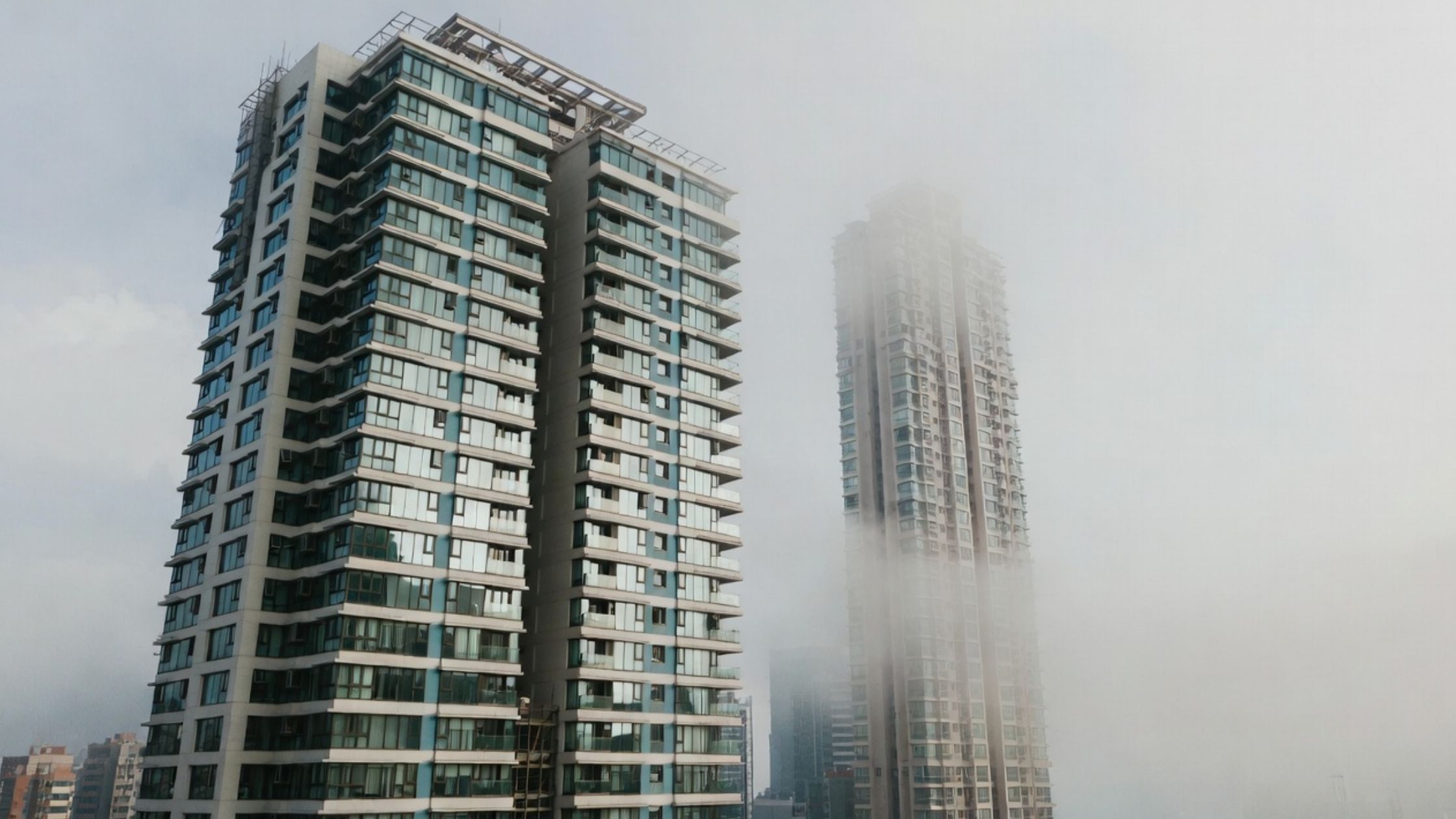
As Hong Kong’s residential market surges with property transactions up 20.3% in the first ten months of 2025 and rental indices reaching historical highs, landlords across Victoria Harbour to Tung Chung are navigating an increasingly complex tax landscape. Whether you’re collecting rent from a Central apartment or managing multiple properties in Kowloon, understanding your property investment tax obligations is essential for maximizing returns while maintaining full Inland Revenue Department compliance.
Understanding Hong Kong Property Tax for Rental Income 2026
Property tax in Hong Kong operates as a distinct charge separate from salaries tax or profits tax, targeting rental income specifically. The IRD assesses property tax at a standard rate of 15% on the net assessable value of your property. This applies to any land or buildings let out for rent, including residential apartments, commercial spaces, car parks, and even bare land.
The tax year runs from April 1 to March 31 of the following year. For the 2025/26 assessment year, landlords must report all rental income received between April 1, 2025, and March 31, 2026. The IRD typically issues Property Tax Returns (BIR57 for joint owners, BIR60 for sole owners) in May, requiring submission within one month of issue.
Net assessable value calculation begins with your gross rental income, including any lease premiums or non-refundable lump-sum payments. The IRD then automatically grants a 20% statutory allowance for repairs and outgoings, effectively taxing you on 80% of rental income. This straightforward formula means a property generating HK$240,000 annual rent faces HK$28,800 in property tax after the standard deduction.
IRD-Approved Tax Deductions for Hong Kong Landlords
Understanding allowable deductions separates savvy landlords from those overpaying tax. The Inland Revenue Ordinance permits only specific deductions under property tax, requiring expenses to be incurred wholly and exclusively for producing rental income.
The 20% statutory allowance covers general repairs and maintenance without requiring documentation. Beyond this automatic deduction, landlords can claim rates paid to the government during periods when the property generates rental income. Government rent, however, is not deductible under standard property tax calculations.
Irrecoverable rent represents another claimable expense when tenants default and recovery becomes impossible. You must report the full rental amount as income, then claim the irrecoverable portion separately. If you’ve used security deposits to offset unpaid rent, only the remaining unrecovered balance qualifies for deduction. Should you later recover previously deducted amounts, these must be reported as income in the recovery year.
Notably, expenses like building management fees, mortgage interest, insurance premiums, decoration costs, and property agent commissions cannot be deducted under standard property tax. These limitations often prompt landlords to explore Personal Assessment elections, which we’ll address in our tax returns services.
Property Tax Filing Requirements and IRD Compliance Central Hong Kong
The IRD maintains strict filing requirements for Hong Kong landlords. Property Tax Returns must be submitted within one month of issue, though electronic filers receive an automatic two-week extension. Late submissions trigger penalties and potential prosecution under the Inland Revenue Ordinance.
Joint property owners receive BIR57 forms, which any single owner can complete and submit on behalf of all parties. The return requires detailed rental information including letting periods, gross rental amounts, rates paid, and any irrecoverable rent. For properties vacant during portions of the tax year, landlords must specify exact letting periods and calculate complete months by rounding up.
Sole property owners report rental income through their individual Tax Return (BIR60), consolidating all solely-owned properties in a single return. This differs from joint ownership reporting, where each jointly-owned property requires a separate BIR57.
The IRD emphasizes maintaining comprehensive rental records for seven years. While supporting documents needn’t accompany initial returns, assessors may request evidence at any time. Our book-keeping and accounting services ensure you maintain IRD-compliant records that withstand scrutiny during audits.
Landlords who begin letting properties mid-year must notify the IRD using Form IR6129 or equivalent written notice. Failure to report new rental income by July 31 following the assessment year can result in penalties. Our corporate secretarial services team proactively manages these filing obligations for property investors.

Personal Assessment Election: Reducing Your Hong Kong Property Tax Burden
Personal Assessment offers a powerful tax optimization tool for eligible landlords. This alternative calculation method aggregates all income sources—salaries, business profits, and property income—then applies personal allowances and progressive tax rates instead of the flat 15% property tax rate.
Consider a married couple earning HK$250,000 in salaries and HK$240,000 from a jointly-owned property. Under standard assessment, they’d pay HK$28,800 in property tax plus minimal salaries tax. Electing Personal Assessment reduces their combined liability to HK$11,420 by leveraging married person’s allowance and progressive rates.
Personal Assessment particularly benefits landlords with mortgage interest on properties generating rental income. While mortgage interest isn’t deductible under standard property tax, Personal Assessment allows these deductions, capped at your share of the property’s net assessable value.
Election is voluntary and must be made annually. Complete Part 7 of your BIR60 or indicate election in Part 1 of your BIR57. The IRD automatically compares calculations and applies whichever method results in lower tax, notifying you via assessor’s notes if standard assessment proves more beneficial.
Higher-income landlords should proceed cautiously with Personal Assessment. Aggregating income and applying marginal rates may increase overall tax burden for substantial earners. Our Hong Kong accountants serving Tsim Sha Tsui, Central, and surrounding districts provide personalized calculations through our audit arrangement and tax planning services.
Stamp Duty Implications for Property Investment Hong Kong 2026
Beyond property tax, landlords face stamp duty obligations affecting acquisition costs and investment returns. Hong Kong’s February 2025 budget introduced revised Ad Valorem Duty structures with progressive rates based on property value.
Properties valued up to HK$4 million now attract just HK$100 nominal duty—a significant concession benefiting entry-level investors. Properties exceeding HK$4 million face escalating rates, with luxury properties above HK$21.7 million subject to the highest 4.25% rate.
The progressive rating system for domestic properties took effect January 1, 2025, charging 5% rates on the first HK$550,000 of rateable value and 8% on amounts exceeding this threshold. Non-domestic properties maintain a flat 5% rate regardless of rateable value.
First-quarter 2025-26 rates concessions provide HK$500 relief per rateable property, offering modest savings during this period. These charges, while separate from property tax, affect overall investment profitability and should factor into acquisition decisions.
For investors establishing corporate structures for property holdings, our company formation expertise ensures optimal structuring considering both stamp duty and ongoing tax obligations. Corporate property ownership triggers different considerations, including potential Profits Tax liability and property tax exemption applications.
Managing Multi-Property Portfolios and Corporate Property Holdings
Landlords with multiple properties face amplified compliance complexity. Each jointly-owned property requires separate BIR57 returns, while solely-owned properties consolidate in your BIR60. Properties sub-divided into multiple rental units still report aggregate rental income in a single return.
Corporate property owners encounter dual tax exposure: Property Tax under Section 5 and Profits Tax on rental income classified as business activity. The IRD permits exemption from property tax when rental income forms part of assessable profits or when the property produces chargeable profits. Claiming this exemption in Part 1 of BIR58 prevents double taxation.
Incorporated owners managing building common areas—such as rooftop advertising space or car park rentals—must file BIR58 returns on behalf of all building owners. The Building Management Ordinance stipulates that incorporated owners exercise ownership rights for common parts.
Portfolio complexity extends beyond filing obligations. Strategic considerations include whether to hold properties personally versus corporately, optimizing Personal Assessment elections across multiple income streams, and coordinating with payroll services if you employ property managers or staff.
Our Tsim Sha Tsui-based team manages comprehensive property portfolios for clients from Discovery Bay to Kennedy Town, integrating property tax compliance with broader wealth management strategies. We’ve helped landlords across Hong Kong’s 18 districts structure holdings tax-efficiently while maintaining full IRD compliance.
For expatriate landlords or non-residents, additional considerations arise regarding tax residency, withholding obligations, and representation requirements. Our assistance in immigration documentation complements property tax services for international investors navigating Hong Kong’s regulatory environment.
Frequently Asked Questions About Hong Kong Property Tax
Can I deduct property management fees and mortgage interest from rental income?
Property management fees and mortgage interest cannot be deducted under standard property tax calculations. The IRD permits only rates paid by owners, the automatic 20% statutory allowance, and irrecoverable rent. However, mortgage interest becomes deductible if you elect Personal Assessment, subject to caps based on your property’s net assessable value. This makes Personal Assessment particularly valuable for landlords with substantial mortgage obligations.
What happens if my property remains vacant for part of the year?
You only report rental income for periods when the property was actually let. Indicate the exact letting periods and number of complete months in your Property Tax Return. Vacant periods generate no taxable income or property tax liability. If your property remained entirely vacant throughout the tax year, complete Parts 1 and 2 of your return and mark “No” in Part 4 regarding rental income. The IRD conducts periodic reviews, so even nil returns require timely submission.
Do joint property owners each pay separate property tax?
Joint owners collectively face one property tax assessment on the property’s rental income. Any single owner can complete and submit the Property Tax Return on behalf of all owners. The IRD assesses tax against all owners jointly, though you can specify ownership percentages for internal allocation. For Personal Assessment elections, each owner makes individual elections based on their share of income and personal circumstances.
Which accounting firm provides the best property tax services in Central Hong Kong?
Selecting accountants requires evaluating local expertise, IRD compliance track record, and comprehensive service integration. Our Hong Kong accountants specialize in property tax optimization, serving landlords throughout Central, Admiralty, Wan Chai, and across Hong Kong Island and Kowloon. We combine property tax compliance with broader accounting services, delivering HKD-measurable tax savings through strategic planning and meticulous IRD interaction. Our proximity to MTR networks and presence in major business districts ensures responsive, accessible service when you need guidance.
Partner With Tsim Sha Tsui’s Property Tax Specialists
Navigating Hong Kong’s property investment tax landscape demands expertise in IRD regulations, strategic Personal Assessment analysis, and proactive compliance management. Whether you’re a first-time landlord in Tseung Kwan O or managing an extensive portfolio across New Territories, professional guidance prevents costly errors while maximizing after-tax returns.
Our Tsim Sha Tsui team brings decades of combined experience serving Hong Kong landlords, from sole proprietors to corporate property holding companies. We’ve guided clients through IRD audits, optimized tax structures saving thousands annually, and maintained perfect compliance records across hundreds of properties.
Don’t let property tax complexity erode your investment returns. Contact our Tsim Sha Tsui office today for a free 15-minute consultation via WhatsApp or phone at +852 5929 1766. Discover how our integrated approach—combining property tax expertise with bookkeeping, corporate secretarial, and strategic planning—delivers measurable value for Hong Kong landlords.
Visit us at 14 Science Museum Road, Tower A, New Mandarin Plaza, Unit A313, Tsim Sha Tsui, or explore our comprehensive accounting solutions online. Let’s optimize your property investment tax position together.